Mastering Watermelon Cultivation in South Africa
Explore the essential techniques and conditions for thriving watermelon growth in South Africa’s unique climate.
Optimal Climate
Soil Preparation
Planting Techniques
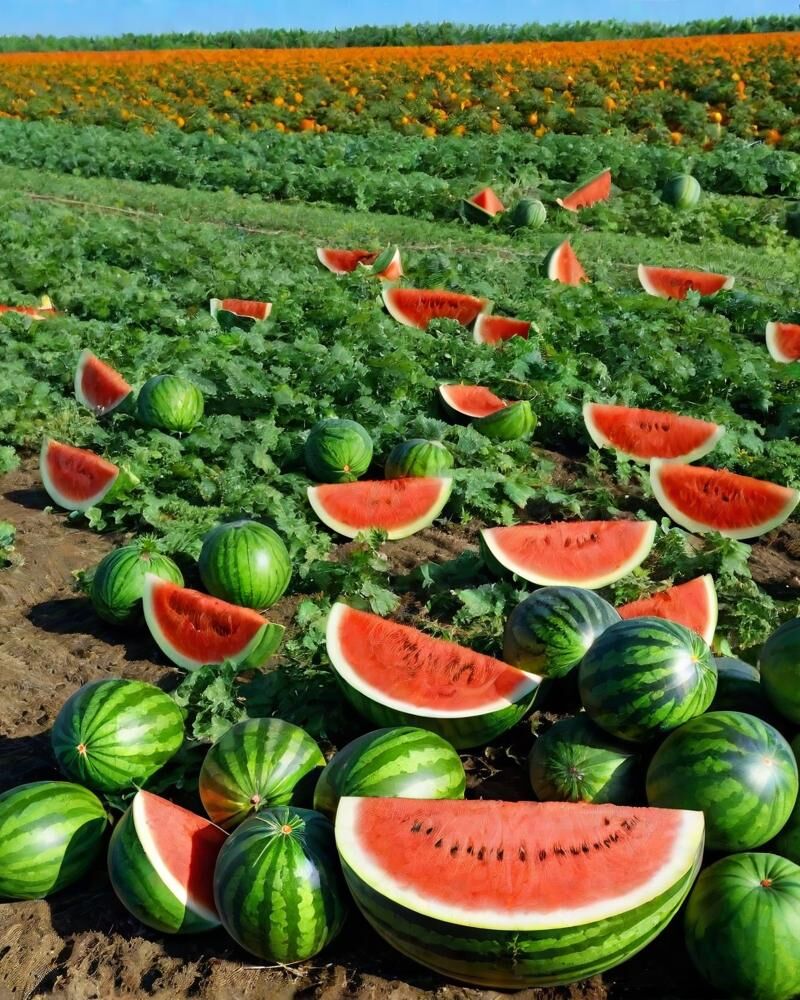
Understanding Watermelon Cultivation in South Africa
Watermelon cultivation in South Africa is a vital agricultural practice, contributing significantly to the local economy and food supply. The country’s diverse climates offer ideal conditions for growing this juicy fruit, making it a staple in many regions. Understanding the methods and practices involved in watermelon farming is crucial for maximizing yield and ensuring sustainable production.
Ideal Climate for Watermelon Growth
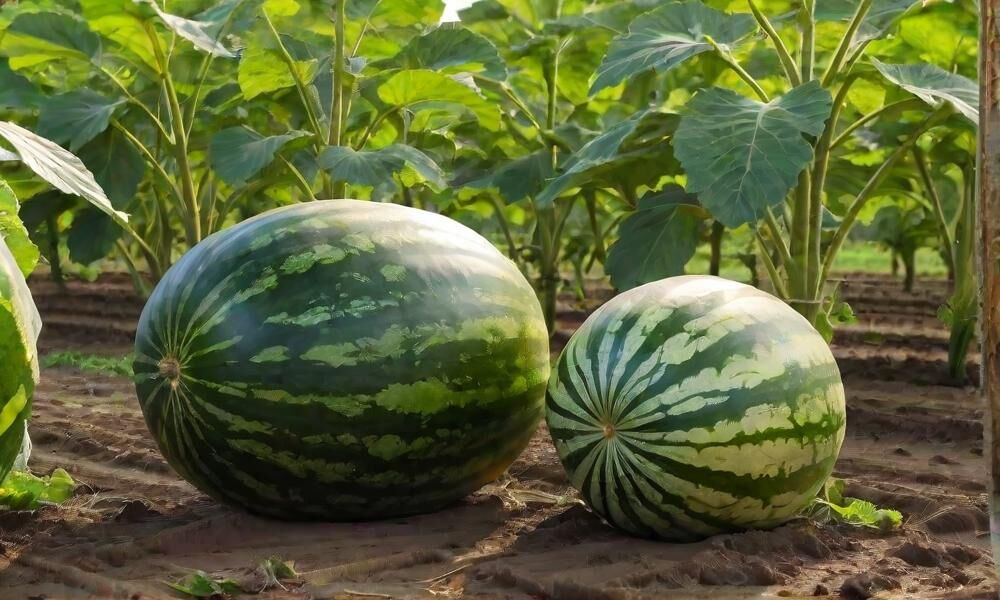
South Africa’s warm, sunny climate provides the perfect environment for watermelon cultivation. Optimal growth occurs in temperatures ranging from 25°C to 30°C, with consistent sunlight being crucial for fruit development. Adequate rainfall, ideally between 400mm and 600mm annually, supports healthy growth, although supplementary irrigation can be beneficial during drier periods. Understanding these climate conditions is key to successful watermelon farming in the region.
Optimal Soil Conditions
Soil Requirements for Watermelons
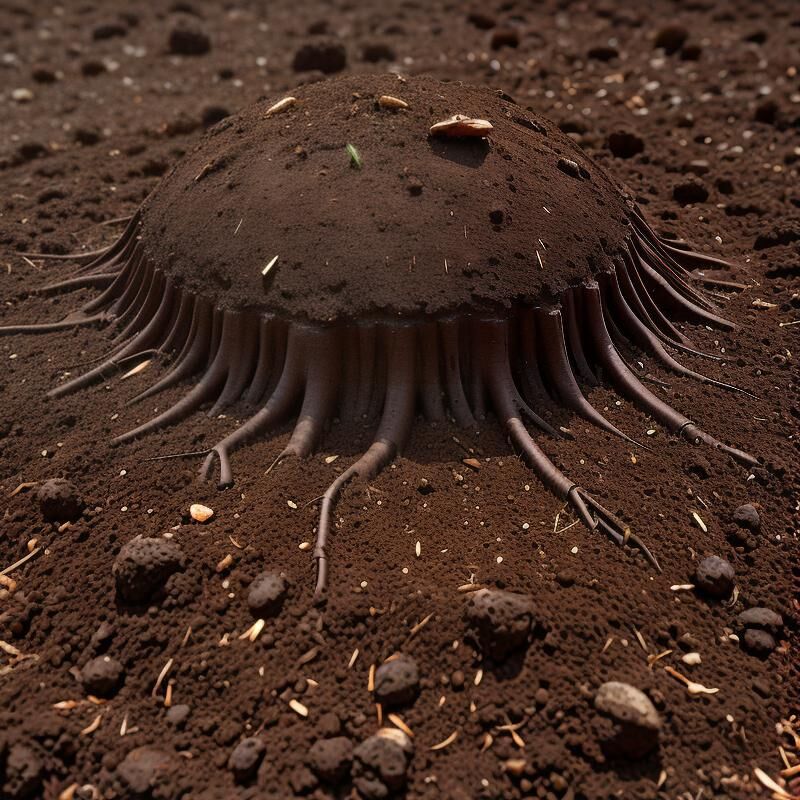
Watermelons thrive in well-drained sandy loam soils with a pH level between 6.0 and 6.8. It’s crucial to ensure the soil is rich in organic matter to support healthy growth. Regular soil testing can help maintain the ideal pH and nutrient levels, ensuring robust watermelon plants.
Effective Planting Techniques
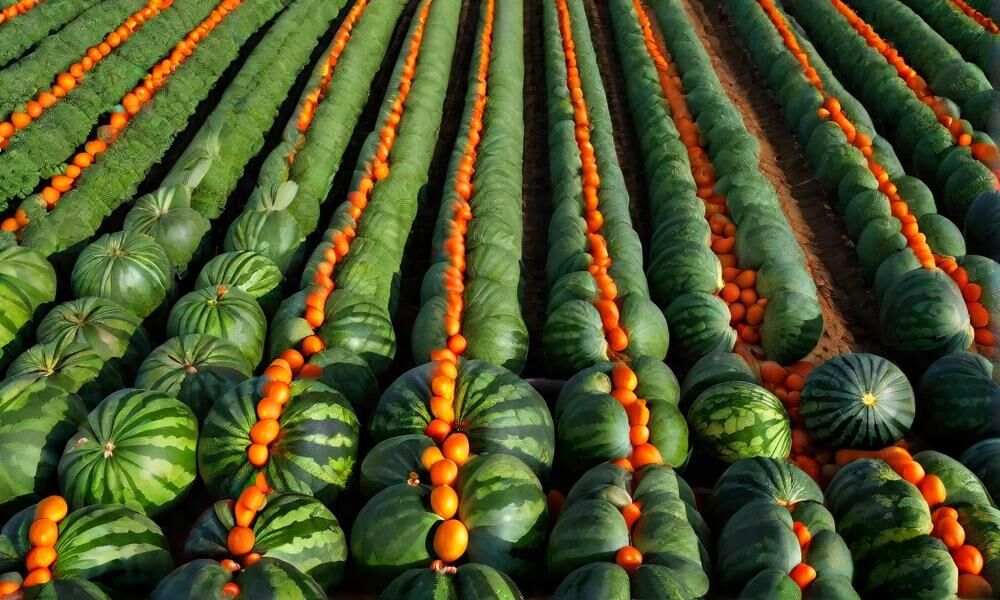
For optimal growth, watermelons should be planted with a spacing of 1.5 to 2 meters between rows and 0.5 to 1 meter between plants. Seeds should be sown at a depth of 2 to 3 centimeters. The best time to plant is during the warmer months, ensuring the soil temperature is consistently above 18°C for successful germination.
Timing and Depth
Timing is crucial for watermelon planting. Begin sowing seeds after the last frost, when the soil is warm enough to support germination. Planting at the correct depth ensures seeds are protected from environmental stressors while allowing for optimal root development.
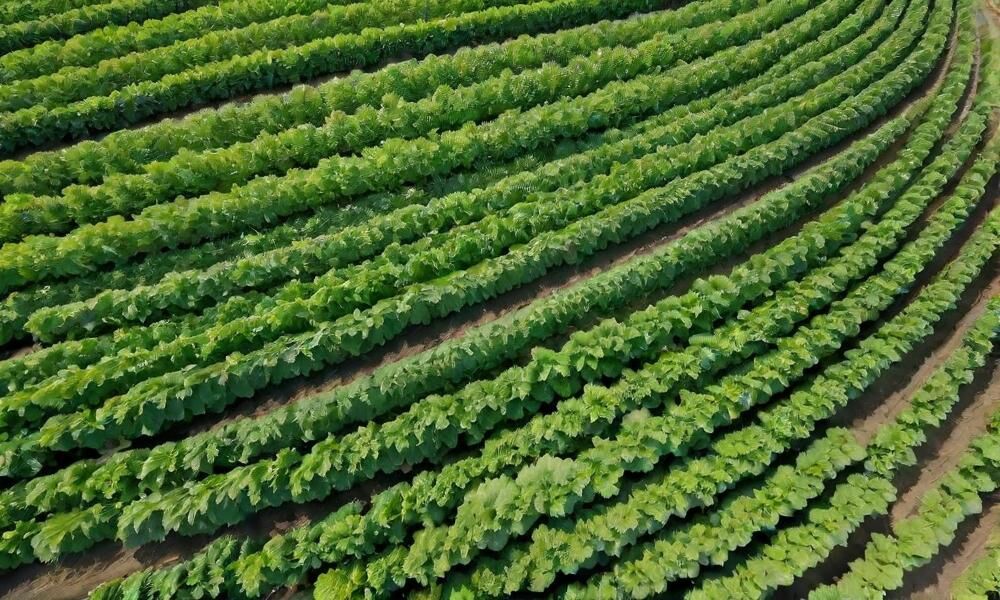
Best Practices for Cultivation
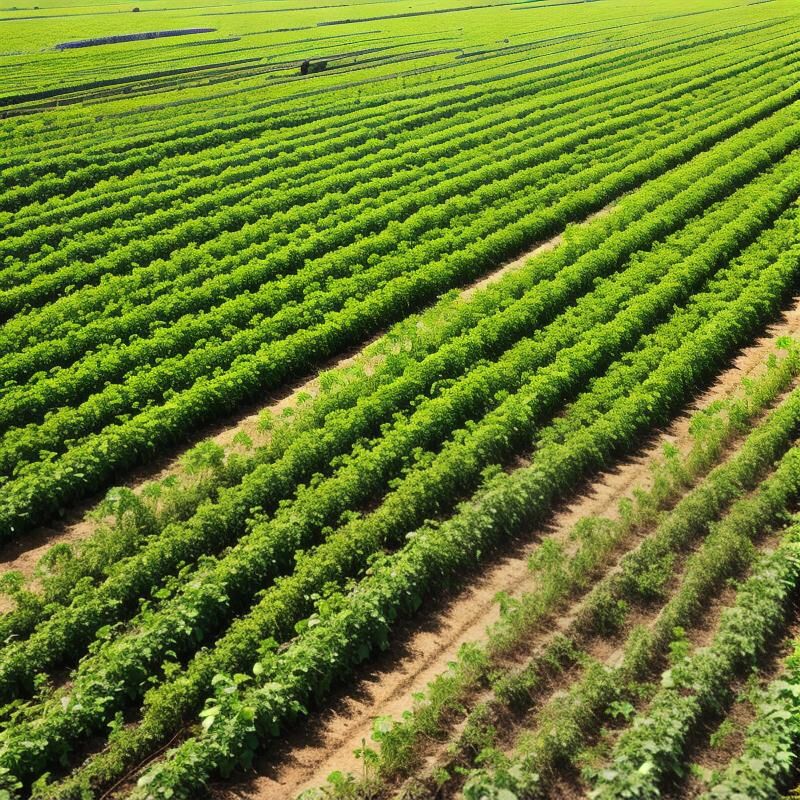
Successful watermelon cultivation involves consistent irrigation, especially during dry spells, to maintain soil moisture without waterlogging. Implementing drip irrigation systems can optimize water usage and promote healthy growth.
Pest Control and Fertilization
Regular monitoring for pests such as aphids and beetles is essential. Employing natural predators and organic pesticides can effectively manage pest populations. Additionally, balanced fertilization with nitrogen, phosphorus, and potassium supports vigorous plant development and fruit production.
Join Our Watermelon Cultivation Community
Unlock the secrets to successful watermelon farming in South Africa by joining our vibrant community. Access exclusive resources, connect with fellow growers, and enhance your cultivation skills. Dive deeper into the world of watermelons today!